
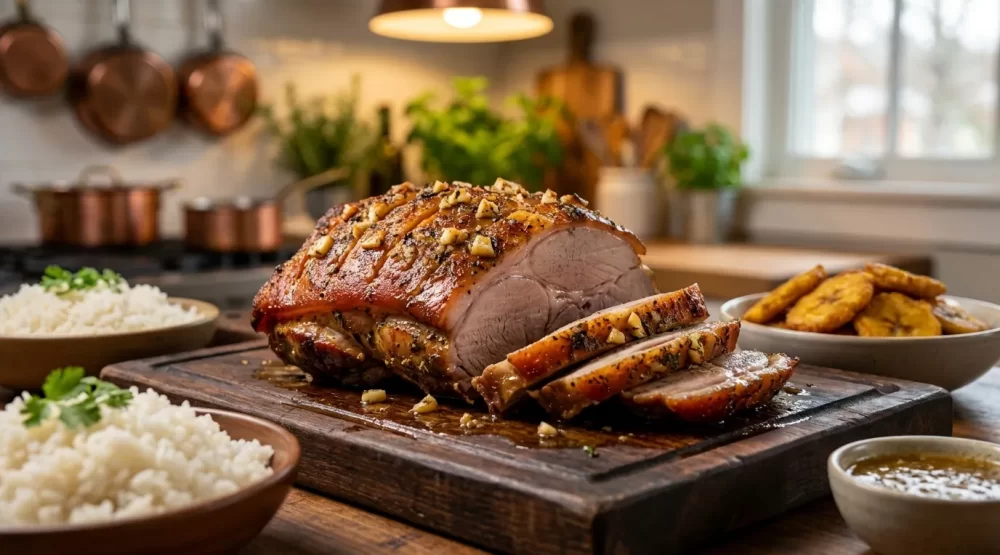
If you’ve ever been to a Puerto Rican celebration, you know the moment. Before you see anything, you usually smell it, the deep garlic scent moving through the room. It’s familiar and pulls people in without trying. Without planning it, guests drift toward the main buffet table. Someone asks when the pernil will be ready. Then they ask again, sometimes more than once. That’s just how it goes. Pernil ends up right at the center of the spread, shaping the mood, setting the pace, and pulling everyone into the same space. Every time, at least in my experience.
What makes pernil stand out for Chicago-area event planners, couples planning weddings, corporate organizers, and families hosting big gatherings is how much it brings with it. It puts culture right on the plate, along with a kind of comfort people settle into easily. The room often feels warmer before anyone even sits, and the crowd tends to relax. It also feeds a lot of people well, which matters when the guest list gets long. In Puerto Rican cooking, few dishes carry the same presence as pernil and its close cousin, lechón, filling in the best way, I think.
Instead of overthinking it, this guide keeps things simple. It looks at where Puerto Rican pernil comes from and why it matters, explains the difference between lechón and pernil, and shares planning tips for large events where portions really matter. Authentic preparation comes up for a reason, because how pernil is made often changes the whole experience, especially when one table is feeding everyone.
The Roots of Puerto Rican Pernil in History and Culture
The appeal of Puerto Rican pernil comes from more than just flavor. Its story goes back hundreds of years, and that history often comes through in the taste. Pork arrived on the island with Spanish colonists in the 1500s, but the dish didn’t stay Spanish for long. Local cooks slowly changed it using island spices, ingredients they had on hand, and habits passed down by watching older family members cook. Even the name reflects that past. “Pernil” comes from “pierna,” the Spanish word for leg, though today it usually means pork shoulder. It’s roasted low and slow, and while shortcuts can be tempting, the dish usually relies on that long wait to turn out right.
Pernil found its place in Puerto Rican cooking for practical reasons. Pork was affordable and could feed a crowd. Slow cooking helped soften a tough cut into something rich and tender, which made the time worthwhile. Over the years, pernil shifted from everyday food to something saved for special moments. It became a Christmas favorite, especially on Nochebuena, the night families plan meals around. From there, it showed up at weddings, birthdays, and tables packed with noise and laughter.
That connection still holds today. In 2024, Puerto Rico produced over 35,000 metric tons of meat, and pork stayed common at celebrations. Researchers at the University of Puerto Rico note that many people still prefer fresh, whole-pig preparation, often for better texture and flavor than frozen cuts.
Serving pernil usually shows care and effort. It tells guests they matter. In cities like Chicago, where Puerto Rican communities are strong, the dish helps keep family roots close while welcoming everyone to the table.
Pernil vs Lechon: Understanding the Difference for Events
People often hear “lechon and pernil” mentioned together, so it’s easy to think they’re basically the same. They are both rooted in pork and tradition, but they’re usually very different dishes (a super common mix-up). Knowing the difference helps event planners choose what actually fits the occasion, which matters when you’re hosting. Big or small. Casual or formal (or somewhere in between).
Pernil is usually made from a pork shoulder, and it’s known for how well it soaks up flavor. It’s marinated in adobo mojado, a wet seasoning made with garlic, oregano, salt, oil, and vinegar (pretty classic ingredients). Then it roasts for six to eight hours. That slow cook keeps the meat juicy and tender, while the skin, called cuero, gradually turns crisp and golden as it cooks (often the part people talk about most). It takes time, but the result is usually worth it.
Lechon, on the other hand, is a whole pig roasted slowly, often over an open flame or on a spit. It’s eye-catching and instantly feels like a celebration. In Puerto Rico, lechon stands line highways, especially in mountain towns where families stop on weekends. It’s not just food, it’s an experience. This setup works best for very large events, especially when guests see the whole pig as they arrive, not just what’s on the plate.
For weddings and corporate events in Chicago, pernil is often the easier choice. Indoor venues usually have limited space, and pernil fits without much trouble. Portioning is simpler. Service moves quicker. And it still delivers that deep Puerto Rican flavor guests remember. Many caterers offer both, so hosts can match the menu to the size and style of the celebration.
A common mistake is assuming they taste the same, and that’s where expectations drift (it happens a lot). Pernil carries seasoning all the way through the meat, while lechon leans more on smoke and that well-known crisp skin. Different strengths. Different moments.
How Authentic Puerto Rican Pernil Is Prepared
Great pernil takes time, and here that isn’t just a saying, it’s part of why the dish matters so much. There aren’t really any shortcuts, which is why it’s saved for holidays, big meals, and family events. It usually sits right in the middle of the table, filling the room with its smell, while everyone waits for it, often not very patiently.
What surprises many people is that the work starts days before anyone eats. The pork shoulder is cleaned and carefully scored. Those deep cuts aren’t for looks; they let the seasoning sink deep into the meat instead of sitting on top. Adobo mojado is worked in by hand, with garlic taking center stage. Many cooks use dozens of cloves, which sounds like a lot until you taste it. After that, the pork rests overnight, and sometimes longer, depending on the family and the schedule.
The roasting is just as slow. Low heat for hours softens tough parts and keeps the meat juicy. Near the end, the heat goes up so the cuero can turn crisp, the crunchy skin people usually grab first.
Researchers who study Puerto Rican pork traditions often say fresh pork makes a clear difference. Fresh cuts hold moisture better and feel smoother, which is why caterers care so much about sourcing. Common mistakes include rushing the roast, using too little seasoning, or keeping the skin covered for too long. In the end, authentic pernil comes down to patience and solid technique, just like it always has.
Why Pernil Works So Well for Weddings and Corporate Events
Pernil is often a natural choice for celebrations and large gatherings where there are lots of seats to fill. What makes it so appealing is how easy it is to scale, which helps lower planning stress. One pork shoulder can feed a big group, and adding another usually handles a growing guest list without much extra work. That flexibility explains why it appears so often at weddings, company parties, and family events where the headcount tends to grow faster than expected.
Consistency also matters when planning, and pernil usually delivers. Once it’s cooked, it holds up well over time, which helps when schedules change. It’s often carved on site for a shared moment, though serving it straight from the kitchen works when timing is tight. It pairs naturally with arroz con gandules, maduros, and a simple salad, familiar, easy sides.
There’s also an emotional connection. Guests tend to remember pernil. For many Puerto Rican families in Chicago, it feels like home. For first-timers, it comes across as warm, welcoming comfort food. Planners also mention the visual side: crisp skin, a rich aroma, and a carving moment that often sticks with guests long after the event ends.
For more on event catering options that feature authentic Puerto Rican dishes, see Chicago catering company for outdoor wedding receptions and corporate event catering with Fancy Pig.
Planning Pernil Catering in Chicago: What to Ask and Expect
In Chicago, plenty of caterers do solid work, but only a smaller group truly focuses on Puerto Rican food. That difference usually shows up when it’s time to serve. Companies like fancypig.com are centered on whole pig roasts and pernil (you’ll often see lechon too), and that focus often makes them more dependable for large events where timing and portions need to be right plate by plate.
Before anything else, get clear on how the food is prepared. Pernil normally needs a long marinade and many hours of slow roasting. When corners are cut, you can usually taste it. A good team will also talk through portion planning based on your guest count and menu instead of guessing, which often makes the day run smoother.
For more insight into catering logistics and menu details, you can also review Fancy Pig’s menu and about us page to understand how they approach Puerto Rican-style events.
What about logistics? Pernil takes serious time and space. Caterers with real, hands-on experience tend to handle venue rules, load-ins, and food safety without issues.
Dietary needs are worth a quick check too. Pernil is pork-based, but sides can often meet different preferences, like adding more vegetable-focused dishes alongside the main roast.
Bringing Tradition and Flavor Together at Your Next Event
Puerto Rican pernil is more than something you serve on a plate. It carries family history, shared and argued over across generations in the best way. That’s often how real tradition works. People usually recognize it right away, and meals start to feel like time spent together instead of just eating in a room. It turns dinner into a shared experience.
The article looks at where pernil comes from and how it’s different from lechón, with a clear focus on why preparation matters. Seasoning and a slow roast are especially important, and those steps are often what set great pernil apart. It also explains why pernil fits weddings and family celebrations so well, especially when generous, welcoming food helps set the mood. Simple tips help make planning feel doable, not overwhelming.
Hosting an event in Chicago and want something meaningful? Pernil is a solid option here. Planning ahead usually helps more than people expect. Choose caterers who respect the tradition and are happy to answer questions. When the pernil is carved and guests come back for seconds, the long tables and relaxed conversations explain why this dish has stayed around for so long.
